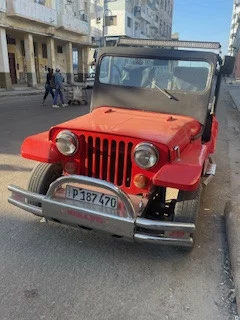
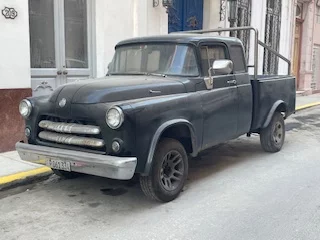
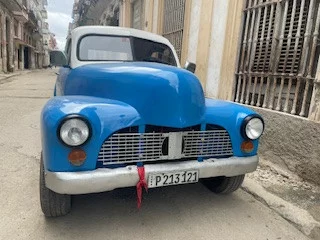
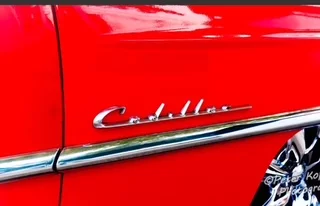
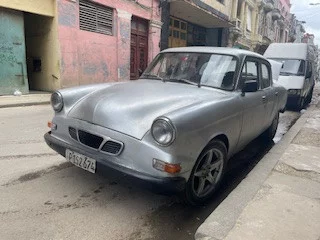
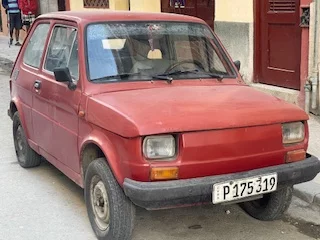
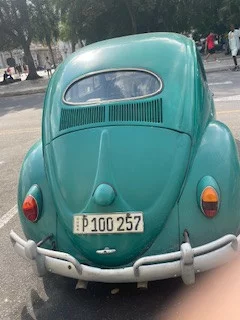
In Havana, time does not move forward. It lingers. Engines that should have vanished still breathe. Not restored — survived.
Cuba
They arrived in the 1940s and 1950s as shining symbols of the
American dream — Chevrolets, Buicks, Fords lining Havana’s
boulevards.
After the 1959 Revolution and the U.S. embargo, time — and
spare parts — seemed to stop, but the cars remained.
With ingenuity and relentless improvisation, Cubans kept them
alive using Soviet engines, handmade gaskets, and sheer
determination.
Out of scarcity grew creativity; out of necessity, identity —
every chrome detail carrying stories of pride, loss, and
resilience.
Today they still roll through the streets, not as museum
pieces, but as living memories of an island that refuses to
fade.
In Cuba, American brands from the 1940s and 1950s dominate the streets: Chevrolet, Ford, Buick, Cadillac, Dodge, and Plymouth. Models like the Chevrolet Bel Air, Ford Fairlane, and Buick Special are especially common — once imported as symbols of modernity and prestige.
After 1959, the official flow of spare parts from the United States stopped almost overnight. The tropical climate intensified the challenge: high humidity, salty sea air, and relentless sun attack paint, chrome, and bodywork. Rust is not the exception — it is the norm.
Engines overheat more easily, rubber seals dry and crack, electrical systems suffer from moisture. Original components are often impossible to source, which led to a culture of mechanical improvisation. Many classic American bodies now run on Soviet Lada or Moskvitch engines, old diesel truck motors, or heavily modified gearboxes.
Mechanics handcraft gaskets, weld body panels from scrap metal, and creatively adapt brake and cooling systems. Entire cars are technical hybrids: 1955 on the outside, 1985 or 1995 under the hood.
The result is not restoration in the Western collector sense, but functional preservation. These cars are not museum artifacts — they are taxis, daily drivers, and family legacies.
This fusion of American design, socialist-era scarcity, and tropical climate has turned Cuba’s classic cars into moving documents of political history — resilient, improvised, and unmistakably alive.
Ingenuinity of an island
„Rolling Relics of Resilience“
Cuban streets
A faded cream-colored classic rests quietly on a narrow street,
carrying decades of untold stories in its steel frame.
Its worn paint and simple lines speak of endurance rather than
luxury.
Behind it, another old car waits — as if time itself has
decided to park here.
Cuban style
The aging mid-century sedan stands against weathered facades,
shaped as much by climate as by history.
The mismatched wheels and matte finish hint at years of
adaptation and repair.
This is not restoration — this is survival on four wheels.
No car is like another
Each one carries its own history, its own repairs, its own
quiet battles against time.
In their differences, you can read the story of survival,
creativity, and pride.